Discover Aluminum Casting Processes in Casting Foundry Operations
A Look Inside the Casting Foundry: Where Precision and Craftsmanship Shape
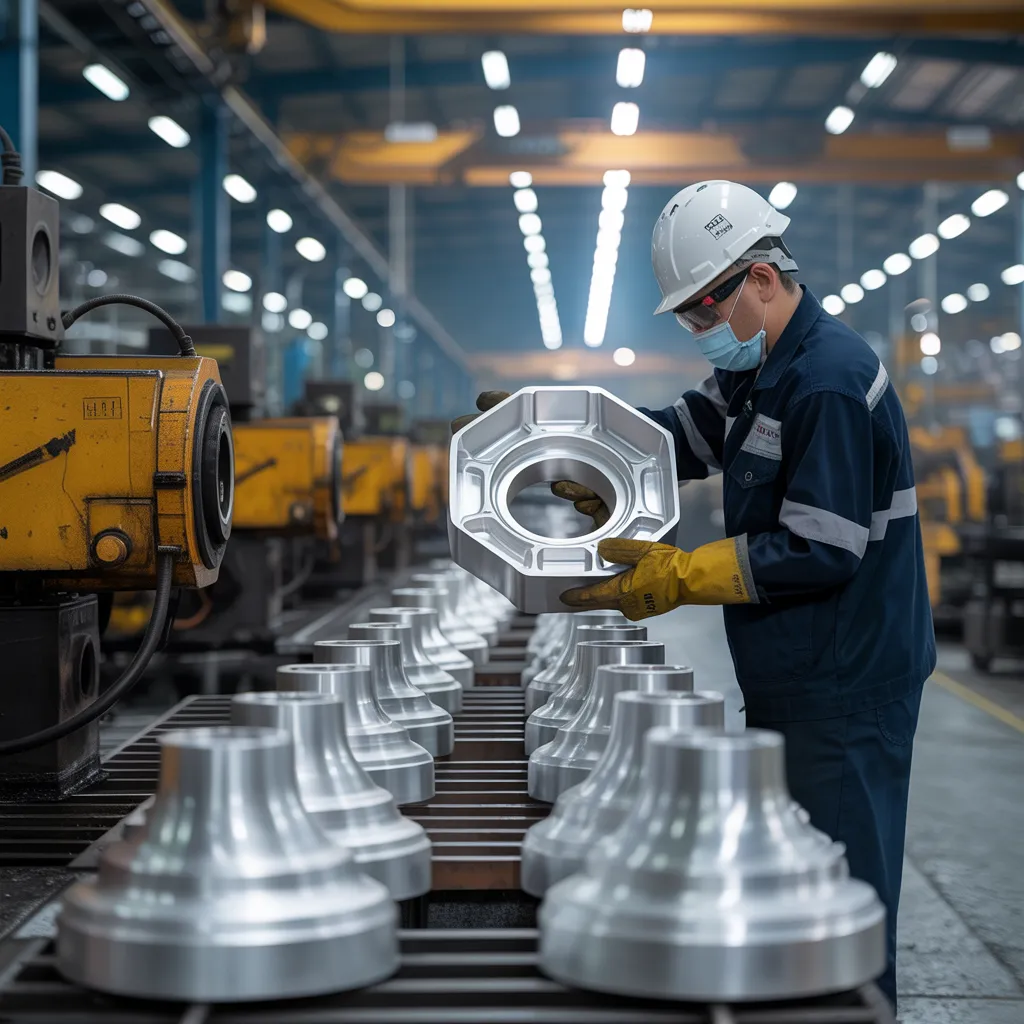
Within the foundry environment, a blend of precision and craftsmanship shapes the metamorphosis of base materials into detailed components. Skilled artisans employ their skills to copyright rigorous quality benchmarks. Cutting-edge methods and modern technologies consistently elevate the process. As industries increasingly rely on metal casting solutions, the consequences of these developments transcend simple operational purposes. What prospects and obstacles await for this advancing industry?
The Basics of Casting: A Guide to the Process
Casting changes base materials into detailed structures through a meticulous procedure that blends craftsmanship with engineering. This technique involves several key stages, beginning with the creation of a mold that determines the desired shape. Commonly constructed from materials like sand, metal, or ceramic, molds can be either reusable or single-use. Once the mold is prepared, molten metal, brought to elevated temperatures, is introduced into the mold. As the metal cools, it sets, conforming to the mold's form.
Once cooled, the casting is removed from the mold, exposing the finished piece. This method is adaptable, working with various metals such as iron, aluminum, and bronze, each utilized for particular characteristics and purposes. Quality control is paramount, guaranteeing that each casting satisfies strict standards for durability and precision. Recognizing these core elements of the casting process demonstrates the complex balance between technique and material, essential for producing high-quality metal components.
The Importance of Expert Craftsmen in Metal Casting
Expert craftsmen hold a critical position in metal casting, combining specialized expertise with artistic insight. Their command and mastery of various techniques not only transforms raw materials but also affects the ultimate aesthetic and functional properties of the castings. This distinctive blend of artistry and craftsmanship establishes the character of each item created in the foundry.
Mastery in Metal Crafting
Within the domain of metal crafting, craftsmen serve a vital function in turning raw materials into detailed masterpieces. These talented professionals have a distinctive mix of technical knowledge and creative vision, permitting them to shape metal in manners that transform functional pieces into artistic creations. Their expertise is evident in the precision of their related resource techniques and the careful consideration applied to each item they craft. By comprehending the qualities of diverse metals, craftsmen can select the right materials and techniques to accomplish intended results. This skill not only elevates artistic quality but also secures durability and functionality. At its core, the expertise of these artisans represents a deep relationship between heritage and advancement in the metal casting industry.
Practices of Master Artisans
Leveraging their knowledge, craftsmen utilize a range of methods to convert metal into elaborate structures. Fundamental to their practice is the accuracy of pattern creation, where artisans meticulously create patterns that determine the finished piece. The sand casting method is prevalent, facilitating precise designs and sophisticated structures. Moreover, lost-wax molding enables artisans to reproduce fine details, delivering remarkable precision in final products. Seasoned metalworkers also apply heat treatment processes to enhance metal properties, securing longevity and toughness. The employment of dedicated equipment, such as shaping implements and striking tools, additionally perfects the material's finish, highlighting its elegance. Ultimately, these methods demonstrate the craftsmen's commitment to their art, producing pieces that blend functionality with artistic expression.
Fundamental Tools for Foundry Casting
In a metal foundry, metal casting efficiency and quality rely heavily on the critical tools and equipment used. Comprehending the essential casting equipment, as well as the importance of protective equipment, creates the groundwork for successful foundry operations. This article will explore the different tools and their functions in foundry casting operations.
Important Casting Equipment Guide
Foundry equipment functions as the backbone of all foundry facilities, facilitating the transformation of unrefined materials into complex metal parts. Critical machinery encompasses furnaces, which bring metals to their melting points, and casting molds, which establish the configuration of end products. Sand conditioning systems ensure that the casting molds preserve their structural strength, while pouring systems transport molten metal safely into these molds. Moreover, cooling mechanisms are essential for overseeing the solidification stage, affecting the ultimate characteristics of the cast products. Further necessary tools comprise pattern creation tools, which establishes the foundational design for molds, and finishing tools for post-casting refinement. Together, these components enable foundries to operate efficiently and deliver premium castings that satisfy industry requirements.
Core Tools Detailed
Numerous essential tools serve a critical function in the casting operations of a foundry. Crucibles are fundamental for metal melting, providing consistent heat distribution and desirable material characteristics. Molds, constructed from materials such as sand or metal, form the molten material, offering precision in the final product. Ladles, intended for moving molten metal, feature heat-resistant handles to avoid mishaps. Additionally, pattern-making tools allow for the creation of accurate molds, accommodating complex shapes. Rammers and compactors are vital for conditioning mold materials, improving structural integrity. In addition, finishing tools, like grinders and sanders, perfect the surface of castings, maintaining quality and aesthetic standards. All tools collectively contribute to maintaining superior standards throughout the casting process.
The Significance of Safety Gear
Protective equipment plays a vital role in the foundry environment, safeguarding workers from the inherent dangers of metal casting. In this hazardous environment, protective equipment such as heat-resistant gloves, safety goggles, and steel-toed boots is imperative. These items provide a shield against thermal burns, airborne debris, and other dangers that can lead to significant physical harm. Respirators are also necessary to guard against toxic fumes and particulates that may be produced during metal casting operations. Additionally, hard hats are critical for protecting against head trauma caused by falling objects. By following rigorous safety guidelines and employing proper equipment, workers can significantly minimize their chances of injury, promoting a safer and more effective metalworking operation.
How Quality Control Ensures Precision in Metal Casting
While the intricacies of metal casting can be complex, quality control serves as a fundamental pillar in guaranteeing accuracy throughout the entire process. Each stage, from mold creation to final inspection, includes comprehensive standards and verification checkpoints that mitigate defects. Quality control begins with meticulous material selection, confirming that alloys adhere to defined compositions for resilience and enduring durability.
During the casting procedure, temperature and timing are carefully monitored, as even small variations can impact the finished component. Once casting is complete, components receive comprehensive testing, including dimensional assessments and non-destructive testing, to detect any imperfections or inconsistencies.
Feedback systems are implemented, supporting consistent progress in techniques and processes. By fostering a mindset of responsibility and commitment to thoroughness, foundries are positioned to consistently provide premium-quality outputs that satisfy customer requirements. In summary, quality assurance not only improves accuracy but also reinforces the reputation and reliability of the foundry operation across the industry.
New Developments in Casting Technology: Breakthroughs and Emerging Trends
New breakthroughs in casting technology have substantially transformed the field, leading to improved operational efficiency and output quality. Techniques such as additive manufacturing and 3D printing are revolutionizing mold fabrication, enabling faster prototyping and reduced lead times. Such advancements allow for intricate geometrical designs that standard approaches are unable to replicate, expanding design flexibility.
In addition, breakthroughs in materials science have contributed to the creation of high-performance alloys that improve resistance to wear, corrosion, and deterioration. Advanced automation and intelligent technologies, including IoT-enabled monitoring systems, are also becoming increasingly prevalent, supporting real-time quality monitoring and reducing errors caused by human intervention.
Growing sustainability movements are driving the implementation of environmentally conscious methods, such as repurposing scrap metal and employing more energy-efficient techniques. Combined, these innovations are not only improving operational productivity but also defining new measures for excellence and skill in the casting field, making certain it continues to thrive in a fast-moving and dynamic industry.
In What Ways Are Cast Metal Components Utilized Across Multiple Industries?
Progress in casting technology has unlocked new potential for the implementation of cast metal components across diverse industries. Across the automotive sector, these components are vital for producing critical components such as engine blocks and transmission housings, guaranteeing reliability and efficiency. The aerospace industry relies heavily on meticulously crafted castings for components engineered to handle extreme operational demands, such as structural components and turbine blades.
In construction, cast metal products like hardware and fittings contribute to both performance and visual appeal. In the same way, the energy industry employs castings for piping systems and turbines, which necessitate exceptional durability and corrosion resistance. Furthermore, the medical industry utilizes cast metal parts for surgical tools and medical devices, emphasizing accuracy and dependability. Altogether, the flexibility of cast metal components illustrates their essential function in advancing safety and operational performance across various industries and applications, highlighting the significance of advanced casting technology in modern manufacturing.
The Future of Casting: Trends and Sustainability?
What developments are transforming the future of casting? As industries place greater emphasis on sustainability, new developments in casting processes are taking shape. A notable trend is the integration of 3D printing technology, facilitating more sophisticated designs while limiting material waste. Additionally, eco-friendly materials, such as biodegradable binders, are gaining traction, minimizing the environmental effects of traditional casting processes.
Another notable advancement is the integration of automation and artificial intelligence. Such technologies boost precision and operational efficiency, optimizing manufacturing processes and lowering energy usage. Moreover, producers are investigating metal recycling, promoting a circular economy within the industry.
Lastly, regulatory pressures are pushing companies to adopt greener practices. This blend of technological advancement and environmental accountability is revolutionizing the casting sector, ensuring that future practices not only meet industry demands but also align with global sustainability goals. As these trends evolve, the casting industry is poised for a more responsible and efficient future.
Common Questions and Answers
What Are the Most Common Materials Used in Casting Processes?
Typical materials utilized in casting processes encompass metallic options including aluminum, bronze, and iron, as well as non-metallic materials like ceramic and plastic materials. Each material offers distinct characteristics appropriate for various applications and manufacturing requirements.
How Long Does the Casting Process Typically Take?
The casting process typically takes between a few hours and several days, subject to the intricacy of the design, the materials used, and the time needed for cooling for the end product to harden.
What Safety Measures Are Implemented in a Foundry?
Within a foundry, safety precautions consist of individual protective equipment, ventilation setups, crisis management protocols, consistent safety instruction, and rigorous compliance with handling procedures for hazardous materials, maintaining a secure setting for all employees engaged in the foundry casting process.
Can Casting Be Done on a Small Scale?
That's correct, casting can be performed on a small scale. Many hobbyists and small businesses employ techniques like investment casting and sand casting, allowing for intricate and precise outputs without the need for large industrial setups.
How Are Casting Operations Influenced by Environmental Regulations?
Environmental compliance requirements substantially influence casting processes by necessitating compliance with pollution emission guidelines, waste disposal procedures, and resource preservation strategies. These compliance standards frequently elevate operating expenditures but foster environmentally responsible practices within the industry, yielding benefits for both public health and the environment.